September 21, 2026
Halloween Costume Ideas
Read More
No sections found
Selecting a winter coat brings a tough choice between shearling and traditional fur. Both choices keep you warm and look nice, but they are customized to fit different daily routines. Learning how these natural materials help you choose the best look for your wardrobe. This is especially true if you are getting ready to buy an expensive jacket.
This guide breaks down exactly how factories make them, how they handle the freezing cold. In this the explain how materials handle daily wear best and how to properly clean them over the years.
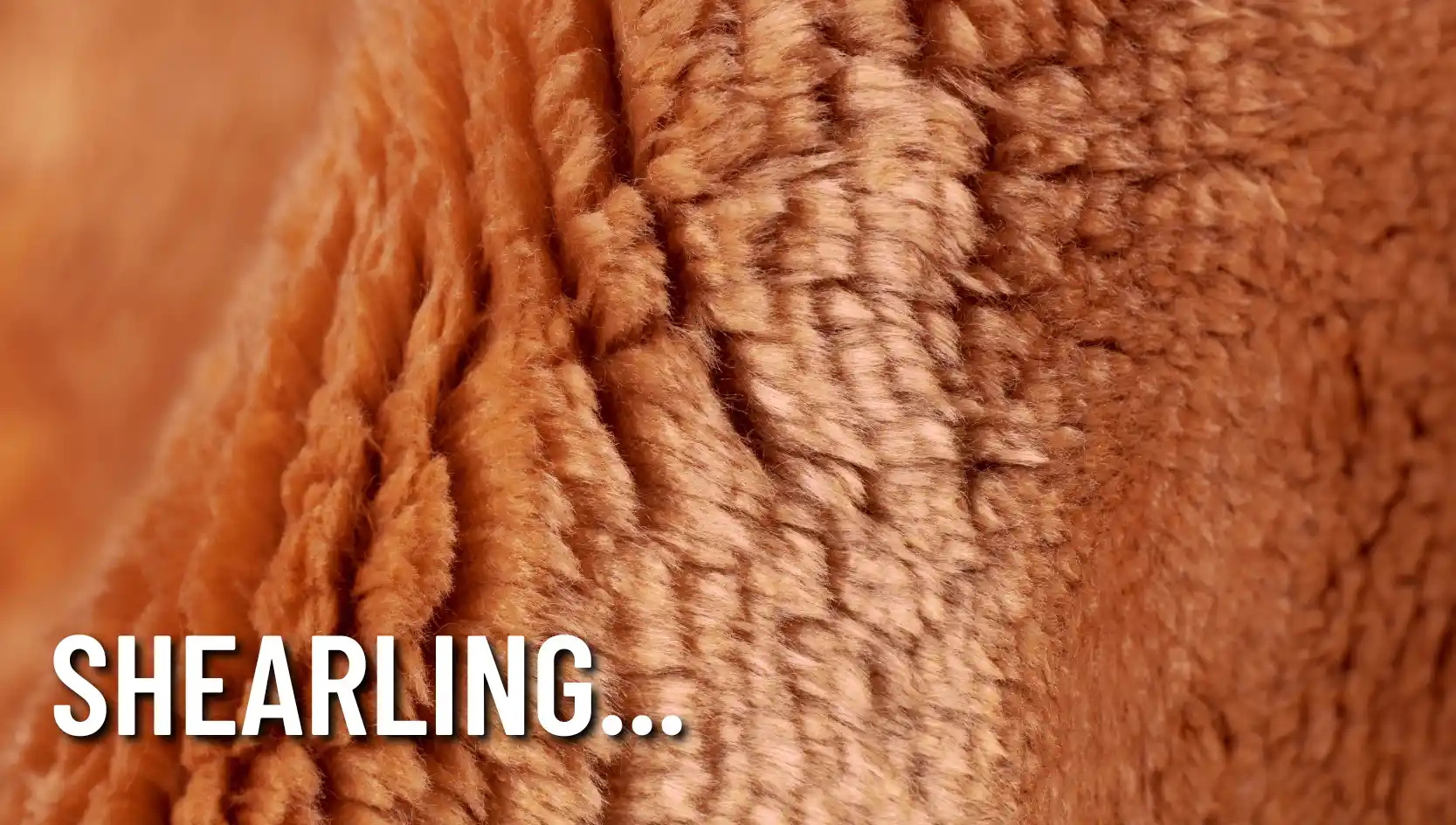
Many buyers think a shearling coat is just a regular leather jacket with extra wool sewn onto the collar. However, true real fur alternatives like shearling are actually a single piece of natural skin.
If you look up what shearling is in the Merriam-Webster Dictionary. It is defined as the skin of a recently shorn sheep or lamb that is carefully tanned with the woolly fleece still attached.
With this leather, you get incredibly smooth and soft warmth because the outer layer is naturally fused to the cozy wool interior from the inside. Facts from Lusso Leather and Goettig Clothing show that shearling specifically comes from a young lamb.
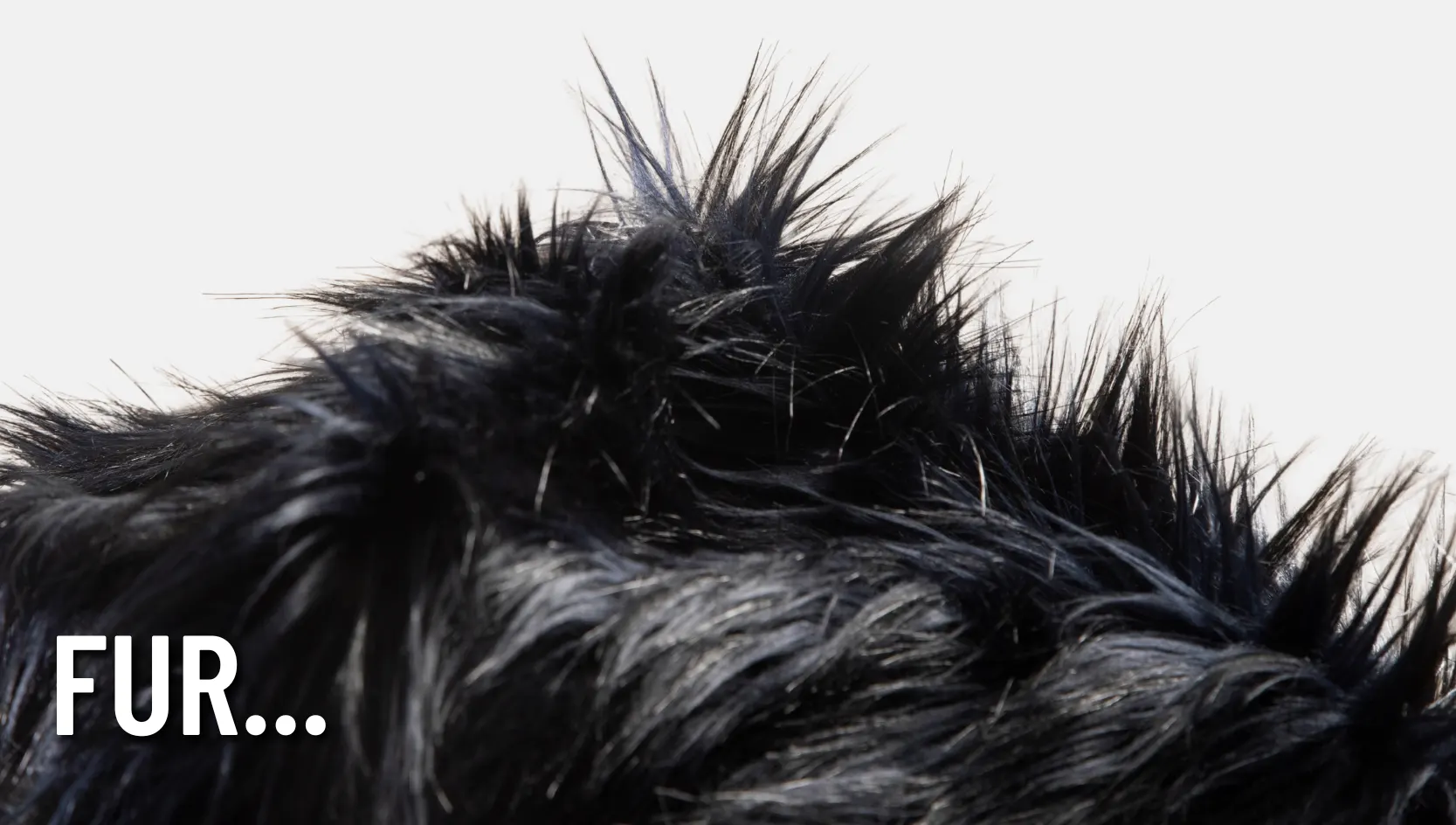
People make real fur coats from a completely different kind of animal skin that they like for its loose, flowing hair layers. Wear sheepskin items with short, clipped wool instead of a traditional coat made with real fur. It mainly uses pelts from animals like mink, fox, rabbit, or beaver.
When explaining what is fur, Encyclopedia Britannica notes that these pelts feature two distinct hair layers. A thick, warm underfur holds body heat and longer guard hairs block out rain and wet snow.\
Most designers make these coats with the soft fur facing exterior on the outside of the coat to look stylish. Tailors line the inside of the garment with a smooth fabric, like silk or viscose. This helps it slide easily over sweaters and everyday shirts.
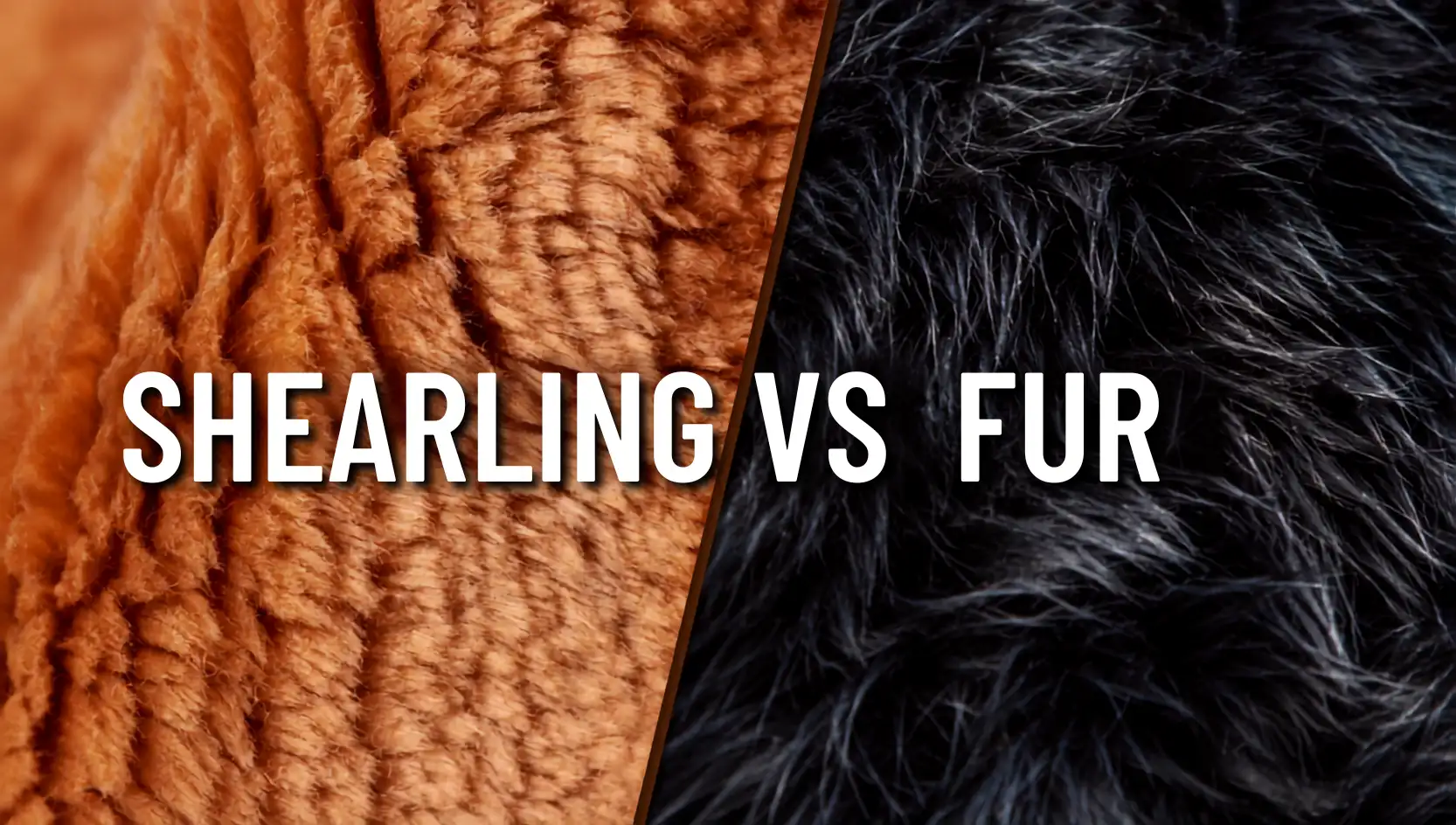
There are primarily two distinctions between shearling and fur, namely, the way that the coating is made and what side of the animal hide is shown. The shearling coat has a tough leather or suede exterior, while the thick, warm wool lining is in close contact with your body.
The traditional fur coat does things differently by displaying the hairy side of the fur coat on the outside, and using a separate fabric lining for garments.
You'll notice that real furs are much softer on your back since these particular animal skins are a lot thinner than hefty sheepskin furs. In Jackets Kingdom Guide, shearling gives a rugged, tough and sporty look, while traditional fur provides a flowing, very formal and classic look.
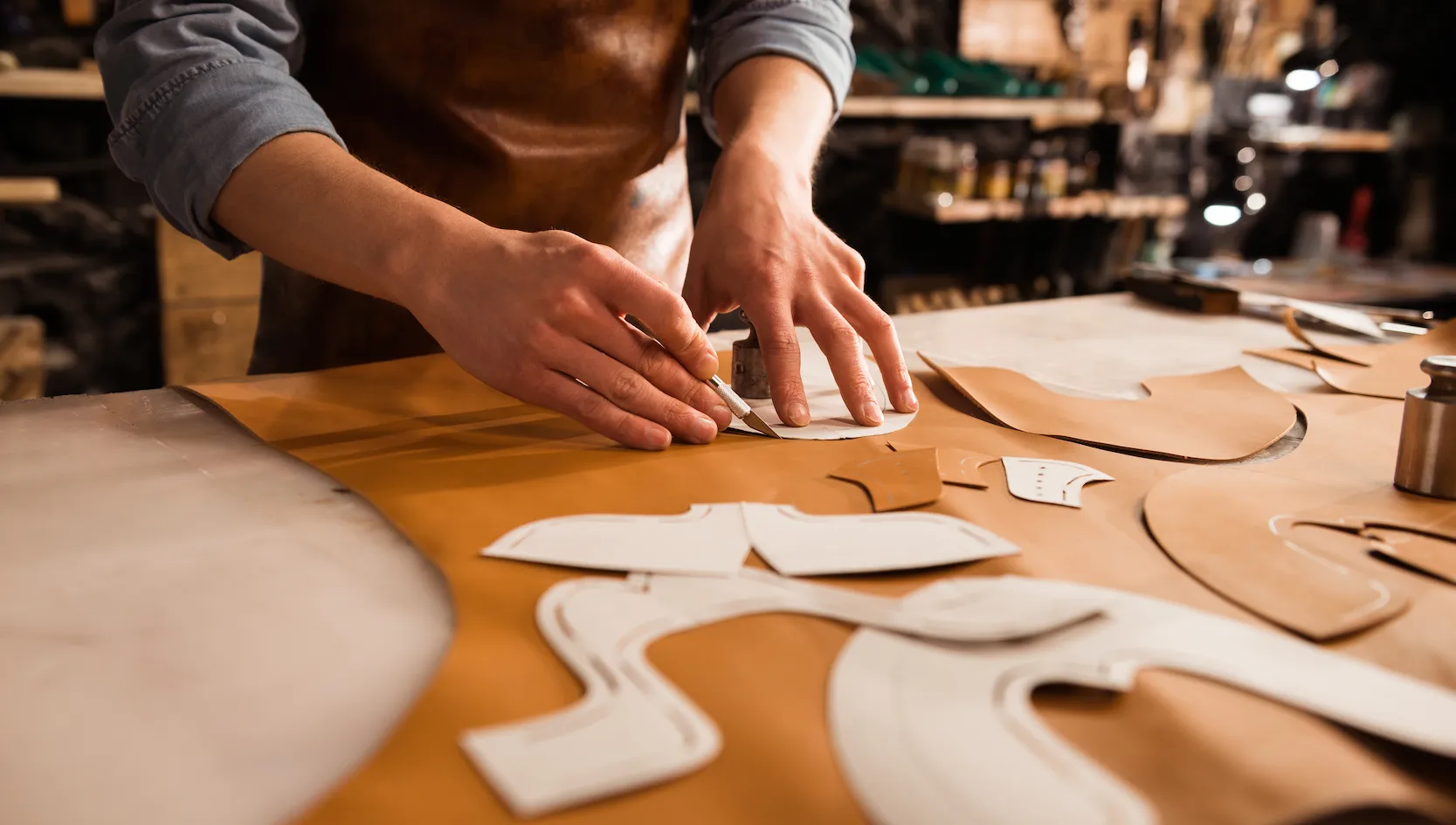
The hand skills and tanning procedures necessary to make shearling clothing are not to be taken lightly. To understand how shearling is made, it is important to remember that making a shearling garment begins at the farm and continues to special tanneries.
Sheepskin is cleaned carefully so that the outer leather layer and the wool fibers attached to it are cleaned simultaneously. Tanners need to maintain care with the skin to keep it soft and pliable without damaging the wool layer's natural bounce.
After the tanning is completed, the machines cut the wool to the same level, and the workers convert the back to nappa or suede and the master tailors hand-sew the double panels to make the durable winter jackets.
Producing real fur coats is a very complicated technical procedure, called fur dressing. Raw skins are subjected to intense chemical treatment that softens the inner skin, binds the hair roots and prevents them from falling out with time.
These guard hairs are not trimmed short like wool, but are simply highlighted to accentuate the natural shine, volume and softness of the hair.
The skins being used for fur production are small. Workers cut the fur into narrow strips across the skin. They sew the strips into a matching grid. The grid is then lined with smooth cloth.
Many buyers ask, "Is shearling real fur?" and the short answer is yes, but with a significant difference in how it behaves. From a scientific standpoint, shearling is real animal skin with natural hair. This places it under the broader umbrella of luxury fur goods.
The global fashion industry separates them because wool does not act like regular animal fur. Wool fibers are naturally curly, wavy and tightly packed together, creating a dense, carpet-like insulation layer instead of loose, flowing hairs.
Even though shearling is a natural pelt, it actually looks, feels and wears much more like a heavy insulated leather jacket than a classic mink or fox coat.
Cold winter weather needs an outer layer that can stop drafts while sealing your natural body heat inside. If you are trying to figure out is shearling is warmer than fur for your next coat, shearling usually wins for everyday wear in cold climates.
The thick, curly structure of wool fibers is great at trapping air, making a strong heat barrier that keeps you warm in freezing places.
Because the wool naturally attaches to the windproof leather. A close shearling vs fur for winter comparison shows that sheepskin does a better job of blocking cold air at the seams.
Buying a sheepskin jacket creates a unique list of useful advantages that go further than basic warmth. Rugged shearling jackets pair beautifully with casual jeans and boots due to these natural strengths:
Moisture Control: Wool is naturally breathable and can absorb up to 30% of its weight in moisture without feeling wet and provides a premium look.
Weather Comfort: It keeps you comfortable while you are out in a blizzard or walking into a warm shop.
Wind Protection: The tough leather outside completely blocks freezing weather the wool naturally wicks away moisture.
Wearing high-end fur clothes offers a level of classic luxury, texture, and movement that no fake fabric can copy. The main fur benefits focus on weight, fit, and extreme softness across different types of fur:
Graceful Movement: A high-end fur coat feels amazingly soft and moves beautifully as you walk.
Statement Style: The striking texture makes it the perfect piece for formal parties and stylish evening wear.
Lasting Luxury: These premium fur garments provide incredible warmth. Its feeling heavy, offer a rich sheen, and hold a strong resale value over time.
The life of your winter coat affects the overall value of your money. When it comes to the battle between shearling vs fur, shearling wins in terms of active use and day-to-day activity.
The thick exterior made of cowhide or sheepskin leather will resist scuffs, scratches and scrapes well. When traveling, commuting or working outside, you can wear a shearling coat without worrying.
Real fur coats are much more delicate. If hair is constantly rubbing against seatbelts, purse straps or car seats, the exposed hair roots can rub off over time, creating bald spots. A well-maintained fur coat can last many years, but it's not quite as easy to care for as a rugged sheepskin coat.
Taking good care of your winter coat ensures that it remains beautiful and useful for generations to come. When you look at shearling care vs fur care, you will realize that both types of shearlings are special cases and require special attention; traditional fur necessitates a much more controlled environment to remain in good condition.
During the summer months, it will be required to have a storage vault with a controlled temperature and humidity where real fur coats are stored to ensure that the skin does not dry out and lose its hair.
At home, it's easier to deal with shearling since light dirt can be removed with a damp cloth or with a suede brush. But neither material should ever be put in a washing machine or a regular dry cleaning machine without the risk of spoiling. They are both strictly professional cleanings.
Some people worry a lot about where companies make clothes, and many people in fashion ask, “Is shearling ethical?” Even the Ralph Lauren Animal Welfare Policy treats shearling and traditional fur as separate fashion lines.
The vast majority of brands do not include shearling in their corporate fur ban. This is because it is widely known as a byproduct of the global meat industry. Farmers primarily raise sheep for food, and tanners save the hides so people don’t throw them away in landfills.
Leather Working Group (LWG), and other environmental groups inspect and certify tanneries. They promote the use of safe, clean, and clear chemicals. Natural materials that use farm waste are popular in the clothing industry. One of the most popular is certified sheepskin.
Natural skins vs simulated skins involves a balance between performance and maintenance. Fashion insights from Chica del Sur point out that real fur offers unequalled breathability and all-natural heat and warmth, and that it is an organic fabric that will eventually break down without causing a severe influence in the globe.
Of course, for those who prefer a non-animal option, faux fur from synthetic fibres such as acrylic and polyester can be as luxurious as any fur and an affordable alternative.
Remember, according to the Angel Jackets Shearling Guide, fake fur does not breathe like real fur, and this can lead to sweating and overheating. These particular synthetic fibres also tend to wear down after only a couple of winters, and the production of these fibres is extremely environmentally impactful because it results in plastic pollution.
It ultimately comes down to your everyday routine, style of clothing and local winter climate. Knowing the difference between shearling and fur involves assessing your lifestyle.
Shearling is the type of jacket you should opt for if you want to wear a dependable jacket every day for everyday activities, like running errands or commuting to work early in the morning or later in the day, or just heading out for a winter weekend. Combines tough durability with a modern, sporty look that's perfect for casual wear.
Conversely, if your winter calendar is full of formal dinners, lavish galas and elegant evening activities, a traditional fur coat is likely to be the ideal choice for completing your outfit. Shearling is the simpler route if you do not wish to have to deal with storing your coat in the summer.
When it comes to selecting the ideal winter material, shearling or fur. It's important to consider your unique climate. Wet, snowy and windy locations, where fur or shearling is used, are decided more in favor of shearling.
The leather is extremely weather-resistant and protects you from wet snow and strong winds, so that you do not need to wear thick layers under it.
Furs are great in low wind and low air speed conditions. In the case of shearling vs fur, it comes down to which suits you more when it comes to practicality vs luxury.