September 21, 2026
Halloween Costume Ideas
Read More
No sections found
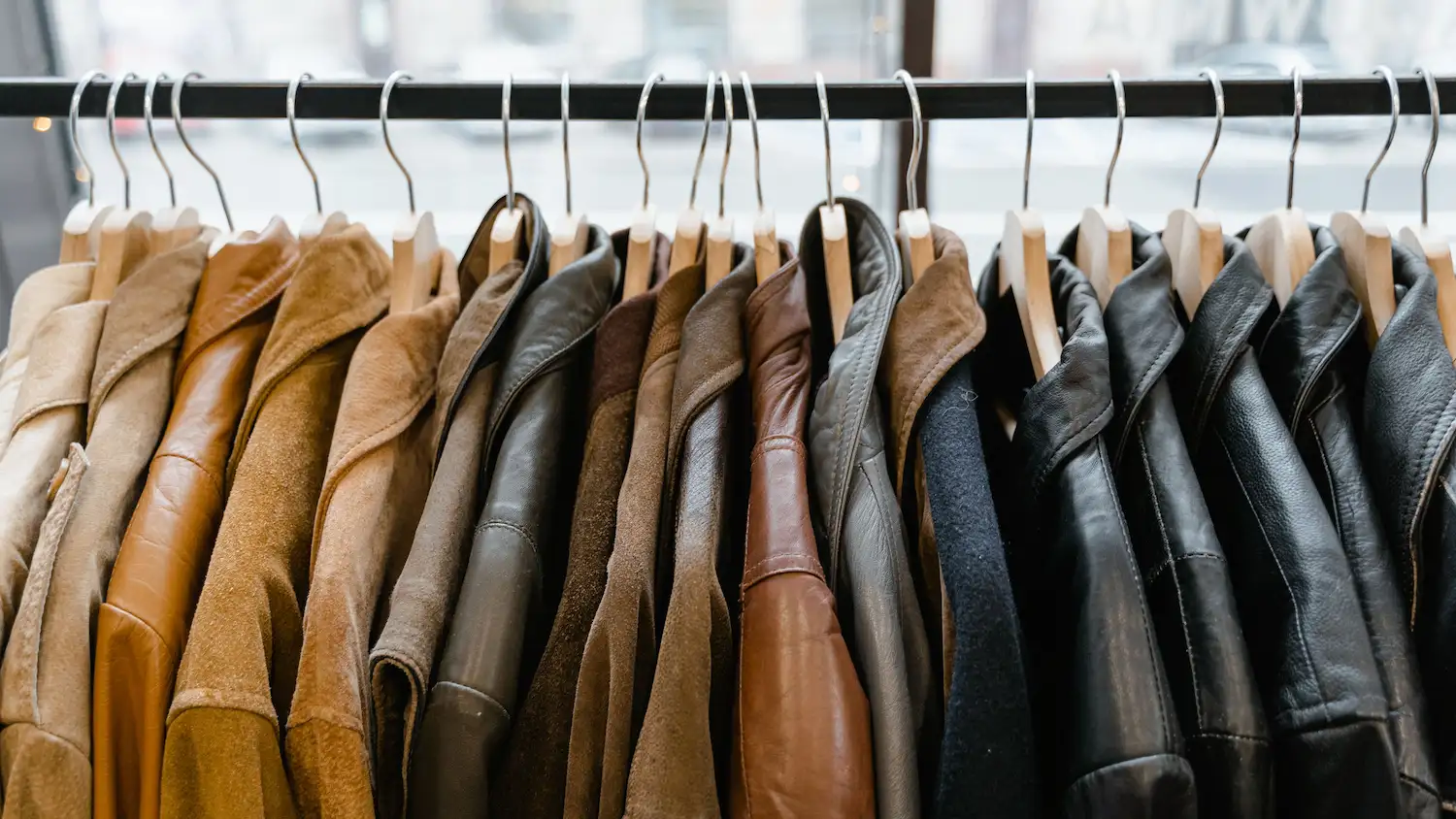
The leather jacket is a very useful and long-lasting piece of clothing to add to a wardrobe and with proper care, it can last for many years. The natural oils in leather make it soft, flexible and strong. Left unmaintained, leather becomes dry, stiff, faded or cracked with time. This guide will cover all of this and more, including why maintenance is important, how to properly clean and maintain the jacket step by step, dealing with any ink stains, the inner lining, conditioning, waterproofing, and even how you can store it properly so that it lasts longer.
Leather is hard, but it's not easy. When exposed to the elements, it begins to dry out and becomes stiffer and more susceptible to damage over time.
Prevents dryness and cracking: Leather tends to crack and dry out, particularly around the elbows and sleeves. Use a leather conditioner to rehydrate and to prevent cracking.
Maintains color and appearance: Sun, dust and dirt wear away leather and give it a more aged appearance. The original colour and natural shine are maintained with regular cleaning and conditioning.
Increases the jacket's lifespan: Regular cleaning, conditioning and proper storage contribute to the longevity of a well-made leather jacket, which can last for many years.
Protects against environmental damage: Leather erodes over time due to dust, sun, moisture and weather. The leather protector, along with frequent cleanings, protects the jacket from general wear and tear.
Keeps leather soft: Leather loses its flexibility when it is dry. It is flexible and comfortable, but also ages naturally with conditioning.
Maintain shape and structure: Hang the jacket on a wide, strong hanger, don't fold it, don't allow it to get too wet and condition it regularly to preserve the look.
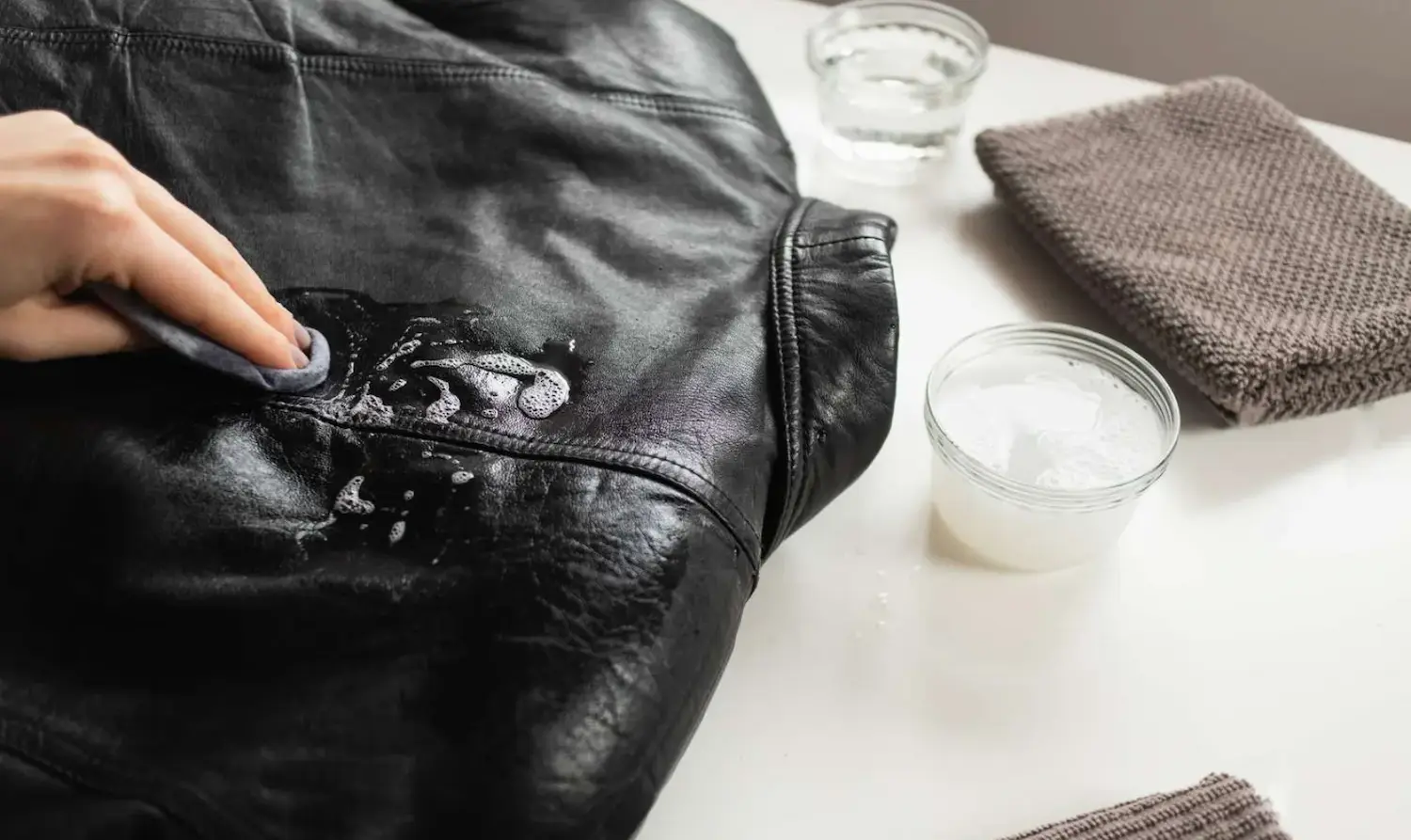
Once you know how to clean a leather jacket in your home, it's an easy task. Leather should not be washed like regular clothing, as too much water and strong cleaners can do harm to the leather. Soft leather with a new look due to gentle cleaning
Use a soft microfiber cloth to remove any loose dirt or dust from the surface before use. This prevents the dirt from rubbing deeper into the leather when cleaning.
Leather should never be placed in a washing machine or be submerged in water as this will remove its natural oils and can cause permanent damage. Avoid also using dish soap, bleach or other harsh household cleaners.
Apply a clean designed for leather and clean in light circles. When cleaning, avoid rubbing, as this may spread the stain or damage the surface. Allow it to air dry naturally, out of direct heat, after finishing.
Regularly clean your jacket to prevent dirt from accumulating and occasionally condition it to ensure it is soft and protected from harm.
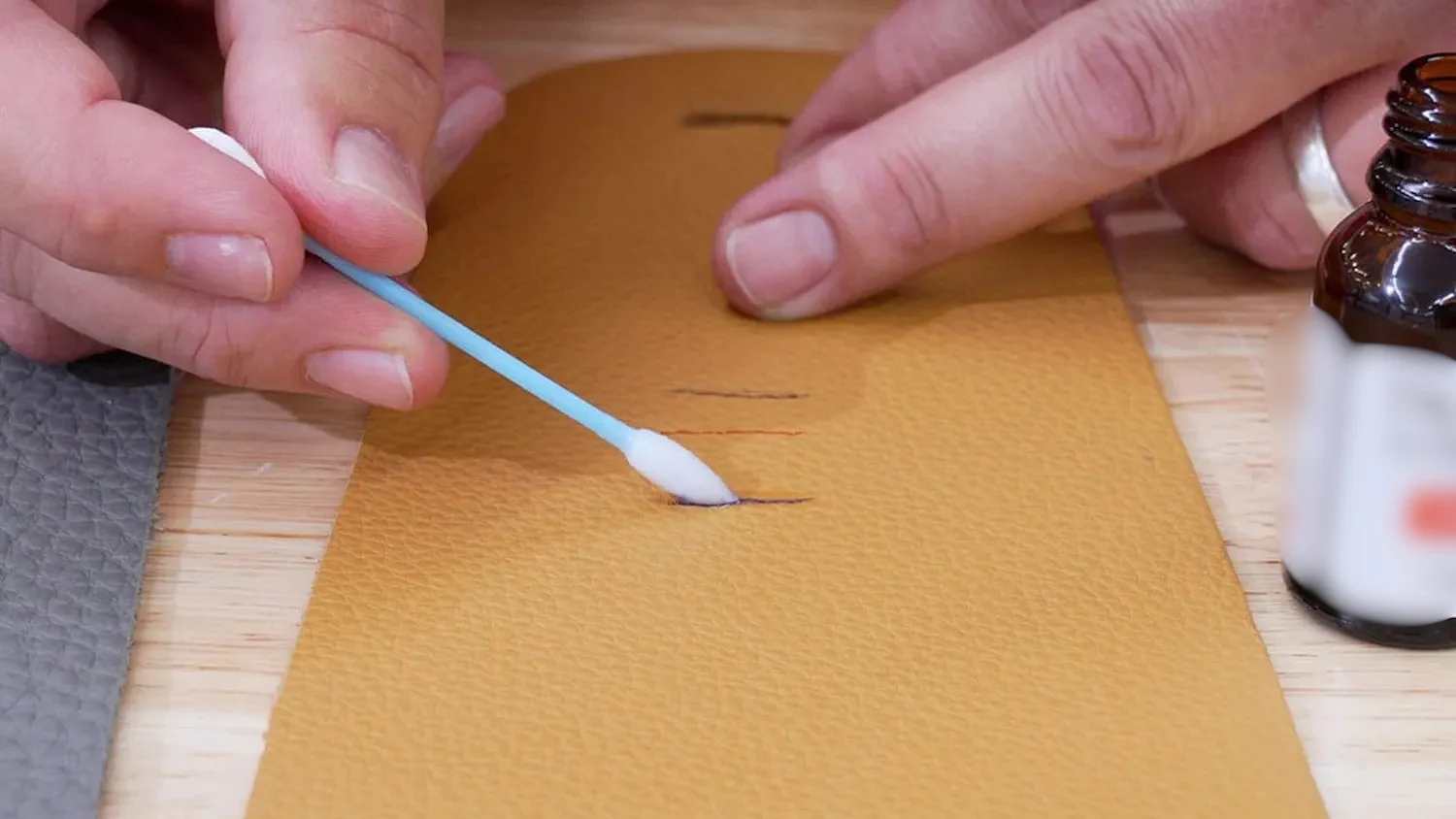
One of the more disheartening incidents is an ink stain, but there are ways to manage it. Dip a cotton swab in rubbing alcohol or isopropyl alcohol and gently dab (do not rub!) the stained area; rubbing will spread the ink, not take it off.
If you don't want harsh chems, make a paste of baking soda and water, apply it to the stain, allow it to dry completely, and then wipe it down. A leather cleaner or saddle soap can be used for stubborn stains as well, as it cleans and conditions the surface that lies beneath.
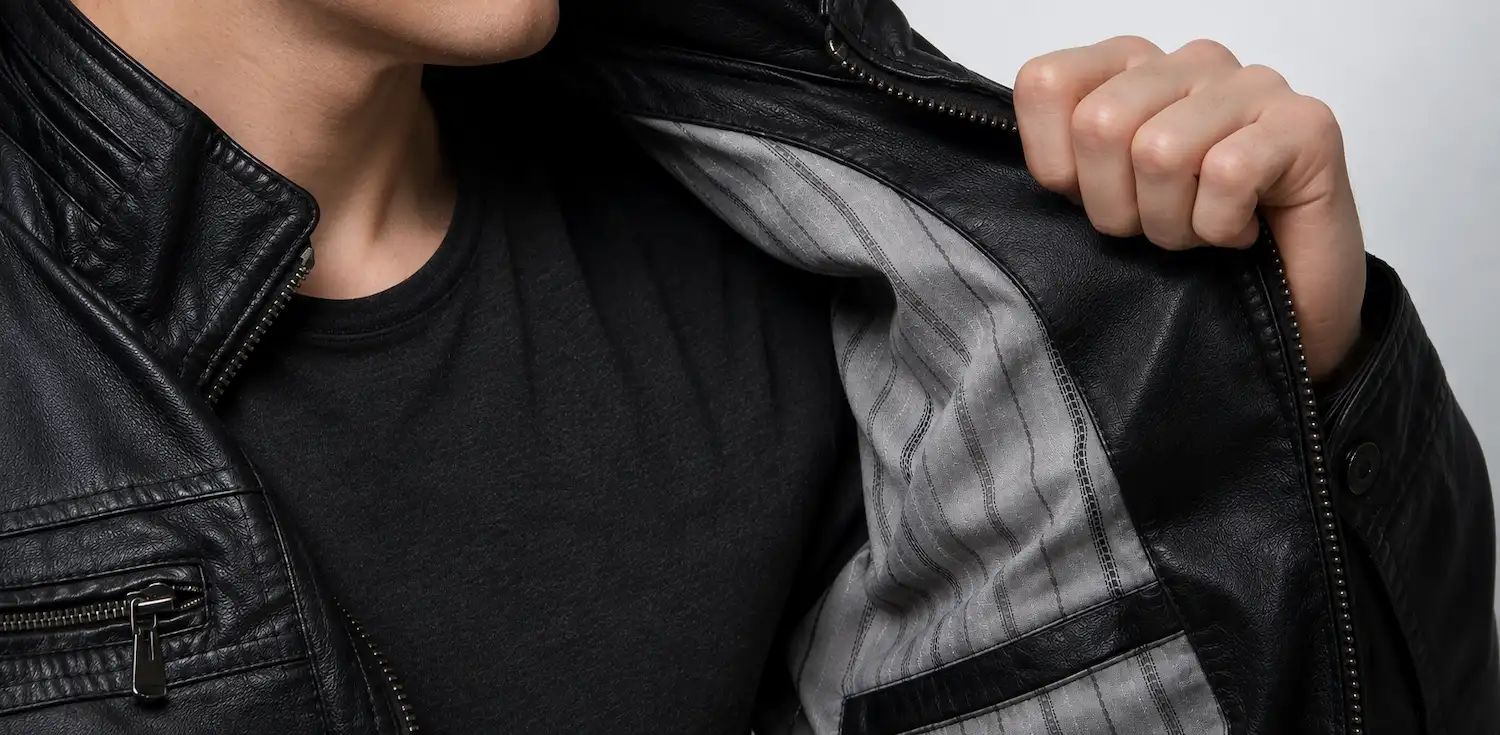
Over time, the lining will accumulate sweat, odors, and dust, and cleaning it is so important that the outer leather may look just fine.
Turn the jacket inside out.
Lightly spray the lining with a mix of water and mild soap, or a fabric-safe freshener.
Smooth it out with your hands or a soft brush.
Leave the jacket inside out for 15–20 minutes to dry.
Turn it back the right way and hang it on a wide hanger.
Always clean the inner lining with a fabric-safe cleaner, not a leather product, and then clean the leather separately from the inner lining.
One of the most crucial parts of leather maintenance is conditioning. The sun, heat, rain, dust and general use over time gradually deplete the natural oils that keep leather soft, making it dry, hard and more likely to crack.
A conditioner replenishes some of the moisture and oils that leather loses as it ages. When leather gets dry, the fibers lose their pliability, manifesting as stiffness, cracks and roughness.
Ideally, a good conditioner should provide sustenance to the leather without adding a grease layer or altering its color. Generally, leather creams and conditioning balms are best for regular maintenance as they supply balanced moisture and preserve the natural finish. Jackets may require more conditioning for older or very dry jackets. Common because they help make the material softer and give light protection, natural ingredients are often used such as beeswax and lanolin.
Make sure the jacket is clean and completely dry before applying anything trapped dirt underneath can interfere with the surface and stop the product from working properly. Apply a small amount of conditioner to a soft microfiber cloth and rub it in using circular motions, paying extra attention to areas that flex more, such as the elbows, sleeves, and shoulders.
This depends on the leather type, weather conditions, and how often the jacket is worn. In general, most jackets do well conditioned every three to six months.
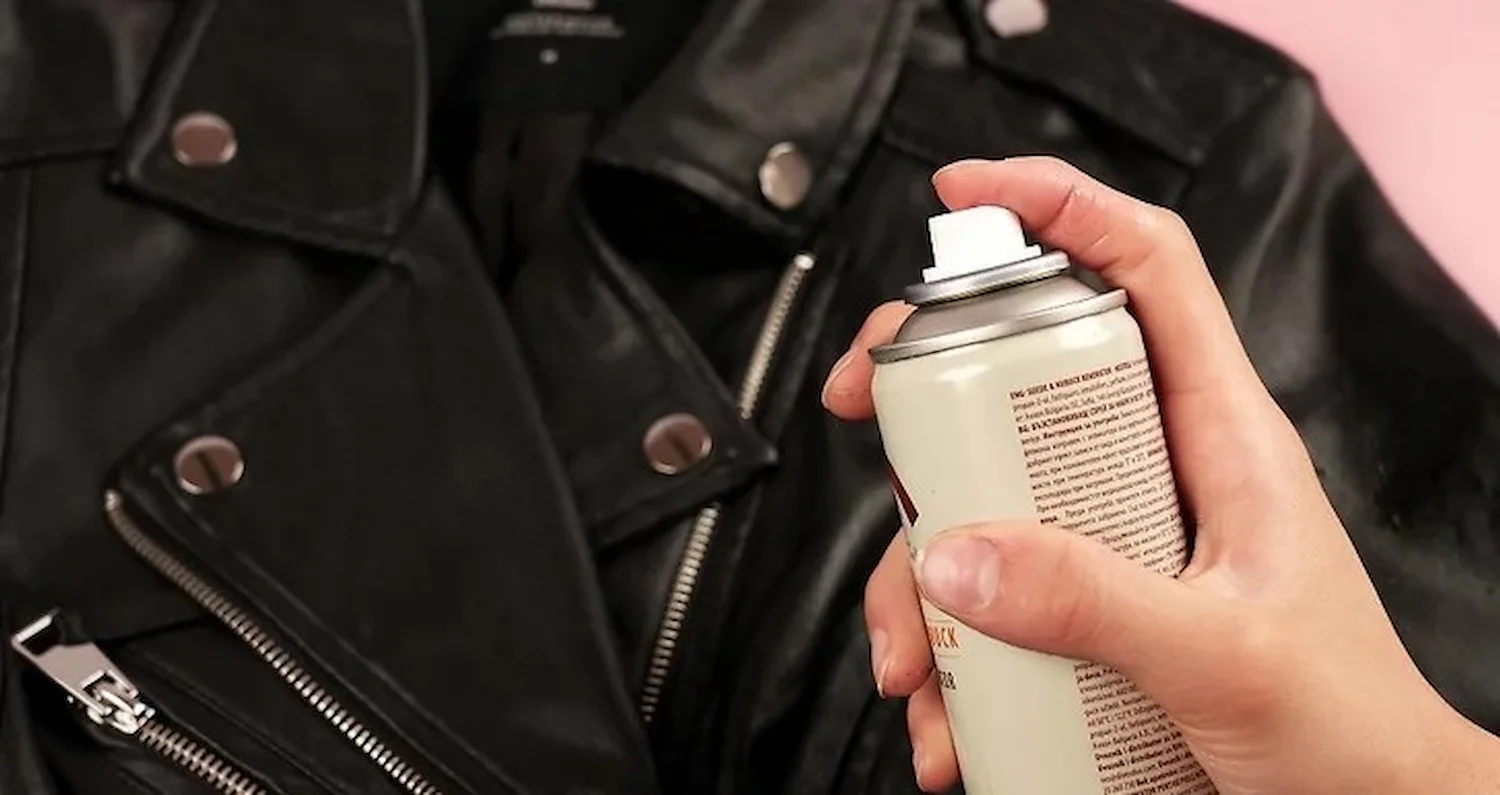
Rain and moisture are among the biggest threats to leather. A waterproofing spray designed specifically for leather adds a protective layer that helps repel stains, water spots, and moisture damage. Mist it evenly over the jacket's exterior, avoiding the lining, and let it settle into the material. Reapply every few months, more often during rainy seasons, to keep the protection strong.
This one extra step is an easy addition to your leather care routine and goes a long way toward keeping the jacket looking fresh season after season.
Proper storage is one of the most important parts of leather jacket care. Since leather relies on natural oils to stay flexible, poor storage conditions can cause it to lose its softness, shape, and finish over time. The right storage methods help preserve the jacket's structure, appearance, and durability for years.
The hanger you choose directly affects the jacket's shape. Leather jackets are heavier than regular clothing, so thin wire or plastic hangers can put pressure on the shoulders and create permanent creases. A broad, padded, or wooden hanger distributes the weight evenly and supports the natural shoulder shape. Give it room to breathe rather than crowding it next to other clothes.
Moisture and humidity can seriously affect leather quality. When leather absorbs excess moisture, it can encourage mold growth, unpleasant odors, and changes in texture. Store jackets in a controlled space with stable temperature and low humidity, away from damp areas like basements, bathrooms, or poorly ventilated rooms.
Protecting your jacket from dust matters, but the wrong cover creates its own problems. Plastic covers trap moisture and block airflow, raising the risk of mold and mildew. Breathable fabric covers, such as cotton garment bags, are the better choice since they let air move through while still keeping dust and debris off. Avoid sealed containers for long periods.
Direct sunlight and high heat affect leather's natural appearance. Continuous heat exposure dries out the leather's oils, causing fading, stiffness, or cracking. Store leather away from sunlight and artificial heat sources, in a shaded area with a stable temperature.
Even properly stored leather jackets need occasional checks. Long storage periods without inspection let small problems, dryness, dust buildup, early mold, go unnoticed until they're harder to fix. Check the jacket occasionally, wipe away surface dust, and make sure it's still hanging properly and protected